

What are Polynucleotides and how do they work on your skin?
Polynucleotides are biomolecules derived from highly purified DNA that act as natural skin biostimulators. Unlike conventional fillers, they do not add volume: they regenerate the skin from within by stimulating fibroblasts to produce collagen, elastin and hyaluronic acid endogenously.
At the consultation of Dr. García Moro in Valencia, polynucleotides are administered through microinjections in the area to be treated. The result is firmer, more luminous skin with better texture, with a natural look that improves progressively in the weeks following the treatment.
They are the star treatment of regenerative medicine in 2025 and 2026: ideal for patients seeking skin quality, not just correcting isolated imperfections.
Effects of bruxism treatment with botulinum toxin
In addition to treating bruxism, injection into the masseters provides an additional aesthetic effect: reduction of jaw volume, achieving a more refined and feminine facial oval.
- Reduction of nighttime clenching: progressively decreases muscle tension.
- Pain relief: improves tension headaches and pain in the temporomandibular joint (TMJ).
- Dental protection: reduces enamel wear and fracture of teeth.
- Aesthetic effect: definition and slimming of the lower third of the face.
-
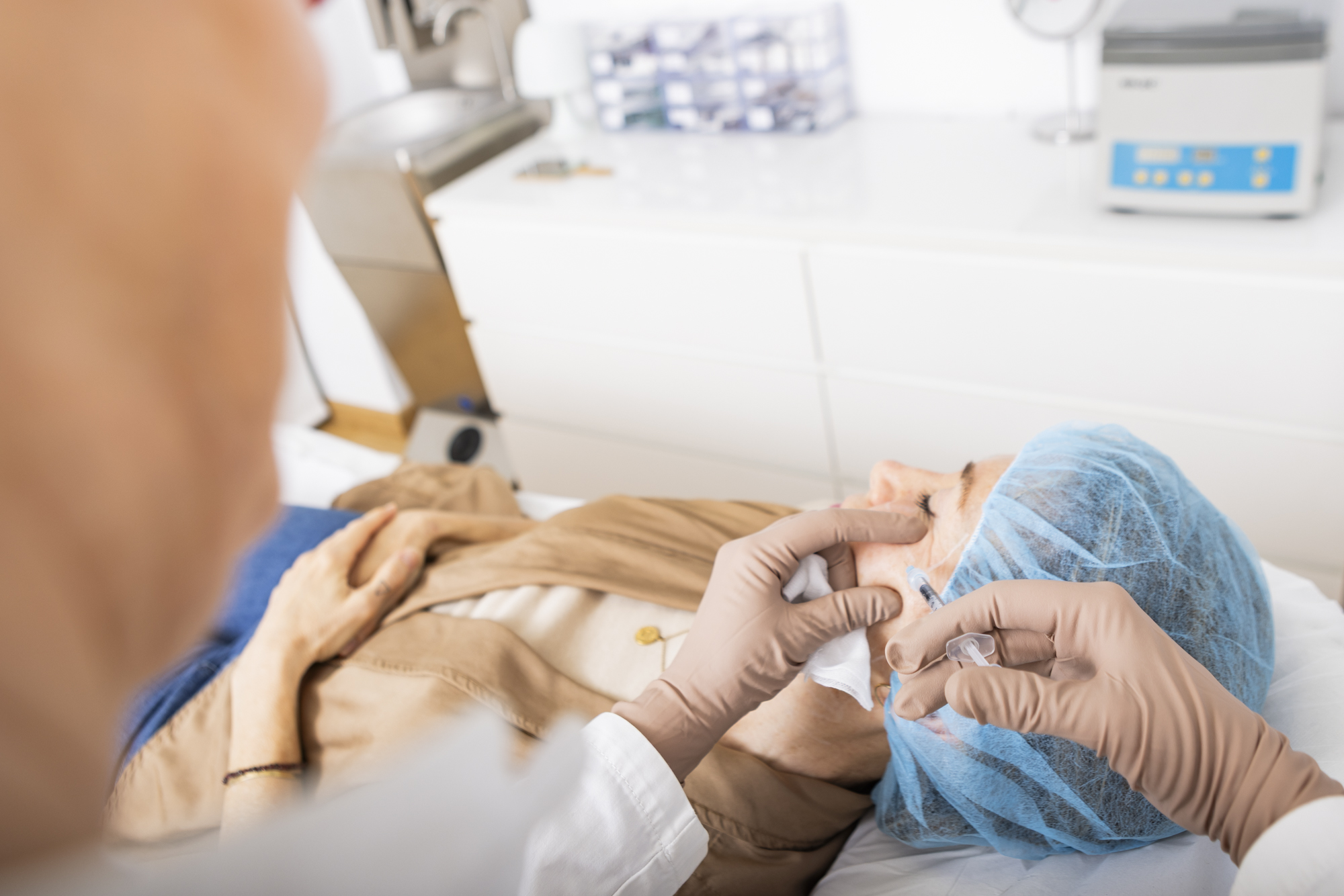
The session lasts approximately 15-20 minutes. The doctor locates the masseter muscle by asking the patient to clench their teeth, and injects the toxin at the points of greatest muscle volume. No anesthesia is required, although a topical cream can be applied if the patient wishes.
-
The first effects are noticed between 7 and 14 days after the injection, with progressive improvement until week 4-6. The results last between 4 and 6 months, at which point it is recommended to repeat the treatment.
-
No. The doses used in aesthetic medicine are low and selective. The aim is to reduce muscle hyperactivity, not to eliminate the chewing function. Patients chew and speak completely normally from the very first moment.
When should I treat bruxism?
See a specialist when symptoms appear such as visible tooth wear, jaw pain or tension on waking, frequent tension headaches, or pain in the temporomandibular joint.
It is also advisable to treat bruxism preventively when the dentist detects signs of clenching before they cause severe damage to the enamel or teeth.
Frequently asked questions
-
Yes. Botulinum toxin type A has been used for decades in medicine, both therapeutic and aesthetic, with an excellent safety profile. When administered by specialist doctors, serious adverse effects are extremely rare.
-
The effects last between 4 and 6 months. Over time and after several sessions, many patients notice that the results last longer, since the masseter muscle tends to reduce progressively with repeated treatments.
-
Yes. The medical treatment of bruxism can be combined with the use of dental splints prescribed by the dentist, orofacial physiotherapy and stress management techniques to obtain more complete and lasting results.
-
The injection causes minimal discomfort, comparable to any injection. It does not require anesthesia, although a topical cream can be applied beforehand. The session lasts between 15 and 20 minutes and the patient can resume normal activity immediately.
-
Yes, botulinum toxin treatment does not affect dental restorations. In fact, it can be especially beneficial in patients with prostheses or veneers, as it reduces the forces that could damage them.